





Most parents focus on brushing and limiting sugar when it comes to their children’s dental health, but the materials used inside the mouth matter just as much as the habits formed outside of it. Dental sealants are one of the most effective preventive tools in dentistry, but not all sealants are created equal. Conventional sealants can contain bisphenol A (BPA), a synthetic chemical linked to endocrine disruption and a growing list of health concerns. For families who care about what goes into their bodies, choosing BPA-free dental sealants is a decision worth understanding.
At Club K Dental in Springfield, Missouri, Dr. Joshua Knapton takes a biological and ceramic-first approach to every treatment offered. As the only biological ceramic doctor within an hour’s radius, Dr. Knapton is committed to providing preventive dentistry care without unnecessary chemical exposure. BPA-free dental sealants align with the practice’s philosophy: protect teeth with materials that support the whole body, not just address surface-level symptoms.
Understand What BPA-Free Dental Sealants Are and How They Work
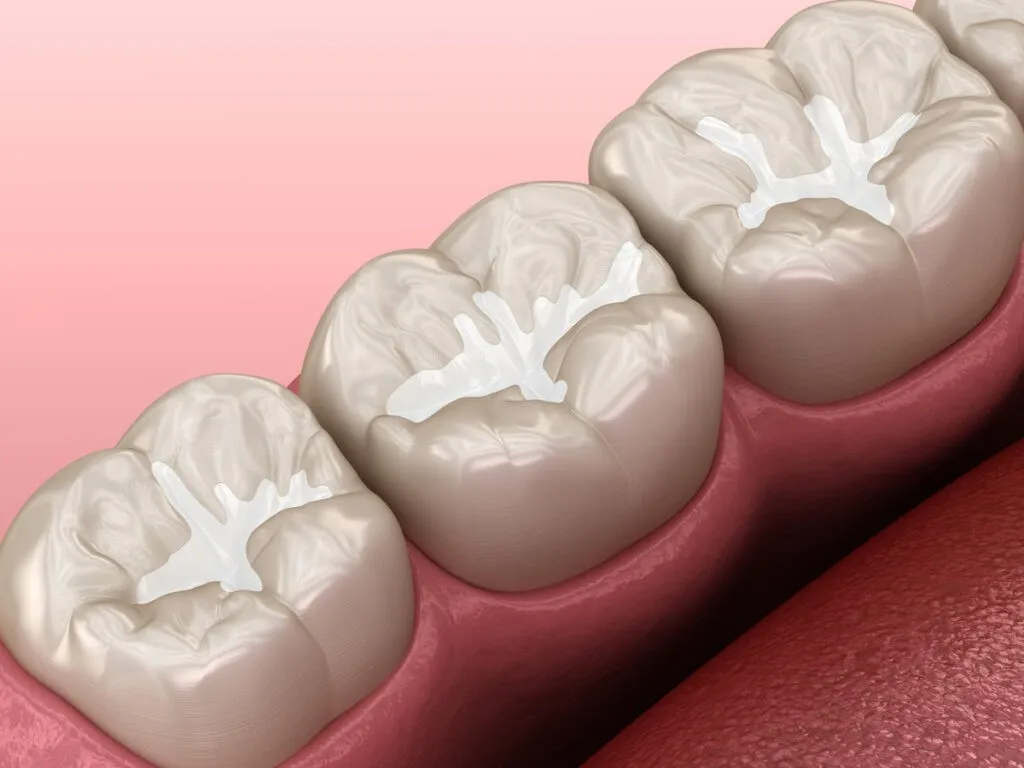
Dental sealants are thin, protective coatings applied to the chewing surfaces of the back teeth, where grooves and pits can trap food and bacteria. They create a physical barrier against decay and are especially beneficial for children and teens whose enamel is still developing.
BPA-free sealants are made from alternative resins that provide the same decay-preventing protection without the chemical risks associated with bisphenol A. A study published in the National Center for Biotechnology Information examined BPA exposure from dental materials and confirmed the importance of selecting low-exposure alternatives, particularly for pediatric patients. At Club K, the materials used in our office are chosen deliberately and with long-term health in mind.
Are BPA-Free Sealants as Effective as Traditional Sealants?
The short answer is yes. BPA-free formulations have been shown to provide comparable protection to conventional sealants, sealing out food debris and bacteria just as effectively. The key difference is what you are not introducing into the body. Our holistic dentistry approach at Club K means we evaluate every material for biocompatibility before it comes anywhere near a patient’s mouth.
Why Does BPA Matter in Dental Materials?
BPA is a chemical compound found in many plastics and resins, including some dental composites and sealants. It acts as an endocrine disruptor, meaning it can interfere with the body’s hormonal systems. Children are particularly vulnerable because their bodies and nervous systems are still developing.
BPA exposure from dental sealants is typically brief, occurring primarily during the setting process. Still, for patients focused on minimizing total chemical load, even low-level exposure adds up over time. Choosing BPA-free options as part of a broader commitment to metal-free, biocompatible fillings and restorations is one of the clearest ways to align dental care with whole-body wellness.
Thinking About Making a Change to Your Dental Health?
Club K Dental offers a holistic, whole-body approach to dentistry in Springfield, MO. Whether you're exploring ceramic implants, fluoride-free care, or simply looking for a dentist who listens — we'd love to meet you.
What Should You Look for in a Biologically Safe Sealant?
When evaluating whether a dental sealant fits within a holistic care framework, there are several important factors to consider:
- The sealant should be free from bisphenol A and bisphenol A glycidyl methacrylate (bis-GMA), which can also break down into BPA-like compounds.
- The material should be tested for biocompatibility and appropriate for the patient’s age and overall health profile.
- The application should be performed by a provider who understands the relationship between dental materials and systemic health.
Asking the right questions before any procedure is placed in the mouth is a sign of an informed, health-conscious patient. At Club K, every clinical decision is made with that kind of transparency in mind. We encourage our patients to review what they receive at their exams and cleanings and ask about the materials being used.
Schedule a Consultation at Club K Dental in Springfield, Missouri
BPA-free dental sealants represent exactly the kind of preventive, biologically mindful care that Club K Dental was built to provide. Dr. Knapton holds a dual DMD and MBA from Roseman University of Health Sciences and has built his practice around treating the causes of disease rather than just the symptoms. As the Biological Ceramic Doctor serving Springfield and surrounding communities, Dr. Joshua Knapton brings a level of biocompatibility awareness and holistic training rarely found within an hour’s drive.
If you are ready to protect your family’s teeth with materials that align with your health values, Club K Dental is here to help. Book a consultation today by visiting our contact form and take the first step toward preventive dental care that works with your body, not against it.