
A biological ceramic doctor looks beyond the tooth being treated to consider how dental materials and procedures may relate to the rest of the body. Ceramic dentistry applies that philosophy by using metal-free materials for treatments such as restorations and dental implants. For patients who are sensitive to certain metals or simply prefer a more holistic approach to dental care, understanding what materials are being placed in the mouth can be an important part of choosing treatment.
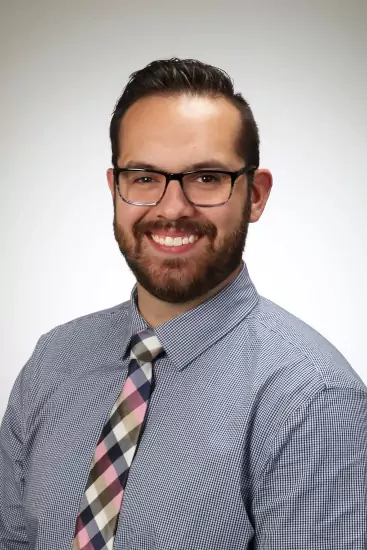
At Club K Holistic Dental, Dr. Joshua Knapton takes this whole-body approach when evaluating each patient’s dental needs. Rather than viewing a damaged or missing tooth as an isolated problem, he considers the materials being used and how treatment fits into the patient’s broader health goals. His use of ceramic implants is one example of how that philosophy shapes the care he provides.
What Does It Mean to Be a Biological Ceramic Doctor
A biological ceramic doctor blends biological dentistry, which considers how oral health connects to the rest of the body, with ceramic restorative options, which avoid metal entirely. Rather than defaulting to titanium implants or metal-based crowns, a biological ceramic doctor evaluates each patient’s sensitivities, health history, and aesthetic goals before recommending a material.
This is not a marketing label. It reflects a deliberate approach to material selection, treatment planning, and patient education, and applies just as much to a single ceramic implant as to full-mouth restorations. Dr. Knapton applies this standard across restorations, implants, and everyday dental work.
A Path Shaped by Personal Health Experience
Dr. Knapton did not arrive at biological dentistry through theory alone. Years ago, he dealt with severe hand cracking and bleeding that conventional treatment could not resolve, and he eventually found relief through NAET, a technique used for allergy elimination. That experience pushed him to think differently about how the body responds to its environment, including the materials placed inside it.
He carried that curiosity into dental school, where he noticed that conventional training focused on treating symptoms rather than identifying root causes. His own children later saw real improvement in skin conditions after NAET treatment, which reinforced his commitment to an approach that looks beyond the tooth itself.
Credentials That Support Biological Dentistry
Dr. Knapton stays active in the International Academy of Oral Medicine and Toxicology and the Academy of General Dentistry, two organizations focused on the science behind biocompatible dental materials and safer treatment protocols. He also holds certification in BioClear restorations, a minimally invasive method for repairing teeth without heavy reliance on metal or excessive removal of healthy structure.
Together, these credentials shape how he plans every case. A patient asking about implants, fillings, or crowns is evaluated with material biocompatibility as a starting point, not an afterthought.
Thinking About Making a Change to Your Dental Health?
Club K Dental offers a holistic, whole-body approach to dentistry in Springfield, MO. Whether you're exploring ceramic implants, fluoride-free care, or simply looking for a dentist who listens — we'd love to meet you.
Why Ceramic Implants Fit a Biological Approach
Zirconia is a strong, biocompatible ceramic that provides a metal-free alternative to traditional titanium implants. For patients interested in a biological approach to replacing missing teeth, several characteristics make zirconia worth considering:
- Zirconia is metal-free and resistant to corrosion
- Studies have shown that it can integrate successfully with the surrounding bone
- Its tooth-colored appearance can create a more natural look around the gum line
Research continues to support zirconia as an implant material. A 2025 review published in Bioengineering found that zirconia implants demonstrate strong osseointegration and low bacterial affinity, supporting their use as an alternative to titanium in appropriate cases. Dr. Knapton can explain how these differences relate to your individual needs, including the potential benefits and limitations of each material, so you can make an informed decision about your treatment.
What This Means for Patients at Club K Holistic Dental
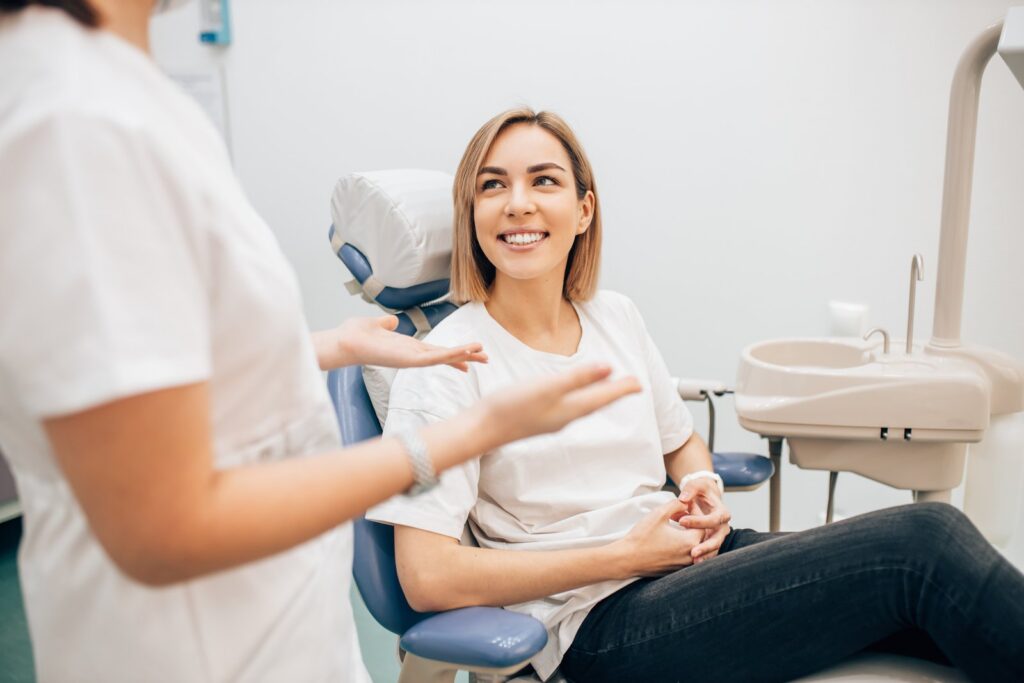
Choosing a biological ceramic doctor changes the conversation at every appointment. Instead of a single default material, patients hear about options and the reasoning behind each one, whether they are comparing ceramic versus metal implants or asking basic questions about how ceramic restorations hold up over time.
This also extends beyond implants. Treatment planning at Club K Holistic Dental reflects the same holistic dentistry principles across cleanings, restorations, and preventive care because biocompatibility testing and material sourcing add steps that a conventional practice may skip. Dr. Knapton considers that extra time worthwhile, given how much it can affect a patient’s comfort and long-term outcome.
Choose Club K Holistic Dental for Biological Ceramic Care
Dr. Knapton earned his dual DMD and MBA from Roseman University of Health Sciences after completing his undergraduate degree at Utah Valley University, and he has built Club K Holistic Dental on the belief that oral health and overall wellness are inseparable. His use of the Swiss Dental Solutions ceramic implant system reflects that same standard, giving patients a metal-free option backed by established manufacturing and research.
If you are considering ceramic implants or want a second opinion on your current treatment plan, our team at Club K Holistic Dental is ready to talk through your options. Reach out through our contact form to schedule a conversation with Dr. Knapton about biological ceramic care.