




If you have ever had a missing tooth and looked into your replacement options, you have likely encountered titanium implants as the default recommendation. Titanium has long been the standard material in implant dentistry, but for patients who prioritize biocompatibility and whole-body wellness, ceramic implants offer a compelling alternative that goes well beyond appearances. The differences between the two materials touch on everything from how your body responds at the tissue level to how the final restoration looks and feels in your mouth.
At Club K Holistic Dental, our all-ceramic implants are a central part of how we approach tooth replacement. Dr. Joshua Knapton, the only biological ceramic doctor in the Springfield area, is committed to metal-free restorations that align with the body’s chemistry rather than work against it. For patients who want a tooth replacement that fits naturally into a holistic approach to health, ceramic is worth a closer look. You can also see how ceramic implants fit within our broader dental implant services in Springfield as part of a complete tooth replacement plan.
What Are Ceramic Dental Implants Made Of?
Ceramic implants used in modern dentistry are made from zirconia, a high-strength dental ceramic derived from zirconium oxide. Zirconia is white in color, closely matching the natural shade of tooth roots and bone, which makes it both visually seamless and biologically well-suited for placement in the jaw. Unlike titanium, zirconia contains no metal, making it an appropriate option for patients with metal sensitivities, those who follow a holistic health philosophy, or anyone who simply prefers to limit their exposure to non-organic materials.
The material has been refined significantly over the past two decades, with modern stabilized zirconia formulations offering the strength and durability needed for long-term implant success. A comprehensive review published on PubMed Central found that zirconia implants demonstrated high biocompatibility, low bacterial affinity, and successful osseointegration comparable to titanium, while also showing lower inflammatory response and bone resorption in surrounding tissues.
Why Does the Implant Manufacturer Matter?
Not all ceramic implants are created equal, and the company behind the implant plays a meaningful role in the outcome. We use Swiss Dental Solutions (SDS) ceramic implants, a manufacturer with a focused and unwavering commitment to ceramic implantology. Founded in 2007 by Dr. Karl Ulrich Volz, SDS has never produced a titanium implant. From day one, the entire company has been dedicated to a single goal: making the best ceramic implant possible. Over the past two decades, that singular focus has driven continuous improvements in quality, structural integrity, design, cleanliness, and longevity.
One of the most meaningful distinctions SDS holds is its CleanImplant Certified status. As of July 2022, SDS became the first implant manufacturer in the world to receive CleanImplant certification for both its implant system and its manufacturing process. This certification is granted by the independent CleanImplant Foundation, which only awards its “Trusted Quality” seal to systems that meet the most stringent standards of purity. That means every implant we place through our Swiss Dental Solutions partnership arrives clean, sterile, and free from the particulate contamination sometimes found in implants from manufacturers that lack this level of scrutiny.
How Do Ceramic Implants Compare to Titanium?

The comparison between ceramic and titanium implants comes down to several factors that matter to patients who care about how materials interact with the body. Below are key differences we discuss with patients who are weighing their options:
- Biocompatibility: Zirconia is inert and produces no metallic ions or corrosion byproducts in the body, reducing the risk of localized inflammation or sensitivity reactions that some patients experience with metal implants.
- Aesthetics: Because zirconia is naturally white, there is no risk of a gray or dark tint showing through thin gum tissue, which can occur with titanium implants over time.
- Plaque resistance: Research indicates zirconia surfaces attract less bacterial plaque than titanium, supporting healthier gum tissue around the implant site.
- Metal-free options: Ceramic implants eliminate the metal variable entirely for patients with titanium sensitivities or autoimmune concerns, providing a fully biocompatible alternative.
Each of these factors contributes to why ceramic implants are a preferred choice in holistic dentistry practices focused on whole-body health.
What Does the Ceramic Implant Process Involve?
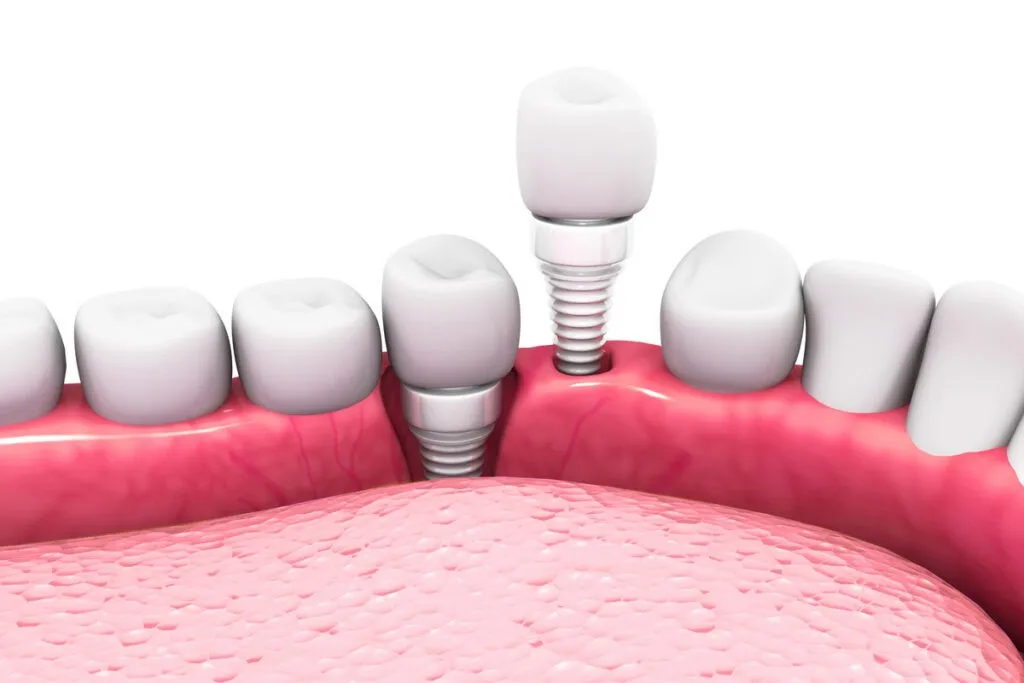
Placing a ceramic implant follows a similar process to a titanium implant, beginning with a thorough evaluation of your jawbone density and overall oral health. If bone loss has occurred following a tooth extraction, bone augmentation may be recommended before implant placement to ensure the site can support the implant properly. Once placed, the implant integrates with the surrounding bone over a healing period before the final ceramic restoration is attached on top.
We take care at every stage to ensure the materials used throughout the process are biocompatible and align with the whole-body philosophy that guides our practice. The SDS implant system also uses a fully ceramic surgical toolkit, meaning even the instruments that contact the patient during placement are free of metal. From the implant itself to the crown placed on top, our goal is a result that is both functionally sound and free of materials that may compromise your systemic health.
How Long Do Ceramic Implants Last?
Ceramic implants are built for long-term use, and with consistent care, many patients keep their restoration for decades. Because zirconia does not corrode and resists bacterial adhesion, some of the risk factors that can shorten the lifespan of an implant over time, such as inflammation forming around a metal collar, are reduced. Longevity still depends heavily on bone health, bite forces, and how consistently a patient keeps up with cleanings and home care, which is why we build a maintenance plan around every ceramic implant we place rather than treating placement as the final step.
What Does Aftercare Involve?
The weeks following implant placement matter as much as the surgery itself. Patients are generally asked to avoid excessive pressure on the healing site, follow a softer diet in the short term, and attend follow-up visits so we can monitor how the bone is integrating with the implant. Once healed, ceramic implants are cared for much like natural teeth: regular brushing, cleaning between the restoration and neighboring teeth, and routine professional cleanings using instruments and polishing compounds that will not scratch the zirconia surface. Our team reviews this maintenance plan in detail with every patient so you know exactly what to expect at each stage of healing and beyond. You can also read more about the philosophy behind our material choices on our biocompatible dental materials page.
Thinking About Making a Change to Your Dental Health?
Club K Dental offers a holistic, whole-body approach to dentistry in Springfield, MO. Whether you're exploring ceramic implants, fluoride-free care, or simply looking for a dentist who listens — we'd love to meet you.
Are Ceramic Implants Right for You?
Not every patient is a candidate for dental implants, and not every missing tooth situation calls for the same solution. The best candidates for ceramic implants are patients who have adequate bone support, healthy gum tissue, and a commitment to the maintenance required for long-term implant success. If a tooth has been missing for some time, the healing of the tooth extraction site and bone quality will be assessed before any implant planning begins.
A personalized consultation is the only way to know whether ceramic implants are the right fit for your specific anatomy and health goals. Dr. Knapton takes time with every patient to explain the options, review the supporting research, and build a treatment plan grounded in biological principles rather than convention.
Frequently Asked Questions About Ceramic Dental Implants
How long do ceramic dental implants typically last?
With consistent oral hygiene and regular dental visits, ceramic implants can last for decades, since zirconia resists corrosion and does not degrade the way some materials can over time.
Are ceramic implants more expensive than titanium implants?
Ceramic implants often carry a higher upfront cost than titanium due to the specialized manufacturing and materials involved, though the total cost depends on your specific case, the number of implants needed, and any additional procedures such as bone augmentation.
Is a bone graft always required before getting a ceramic implant?
Not always. Bone augmentation is only recommended when an evaluation shows the jawbone does not have adequate density or volume to support the implant, which is more common after a tooth has been missing for an extended period.
Can patients with metal allergies safely get ceramic implants?
Ceramic implants are made entirely from zirconia with no metal content, which makes them a suitable option for many patients with known metal sensitivities, though a personalized evaluation is still the best way to confirm candidacy.
How is a ceramic implant different from a ceramic crown?
A ceramic implant is the metal-free post that replaces the tooth root and is placed in the jawbone, while a ceramic crown is the restoration attached on top to replace the visible portion of the tooth. Ceramic implants often use a ceramic crown as their final restoration.
Choose Club K Holistic Dental for Metal-Free Implant Care
Dr. Joshua Knapton holds a dual DMD and MBA from Roseman University of Health Sciences and is an active member of the International Academy of Oral Medicine and Toxicology (IAOMT) and the Academy of General Dentistry (AGD). His focus on ceramic and metal-free restorations is reflected in every aspect of how we approach implant care at Club K. To learn more about his background and philosophy, visit the Dr. Joshua Knapton page.
If you are considering tooth replacement and want to explore ceramic implants as part of a health-conscious treatment plan, our team is ready to help. Reach out through our contact page to schedule a consultation with Dr. Knapton.